
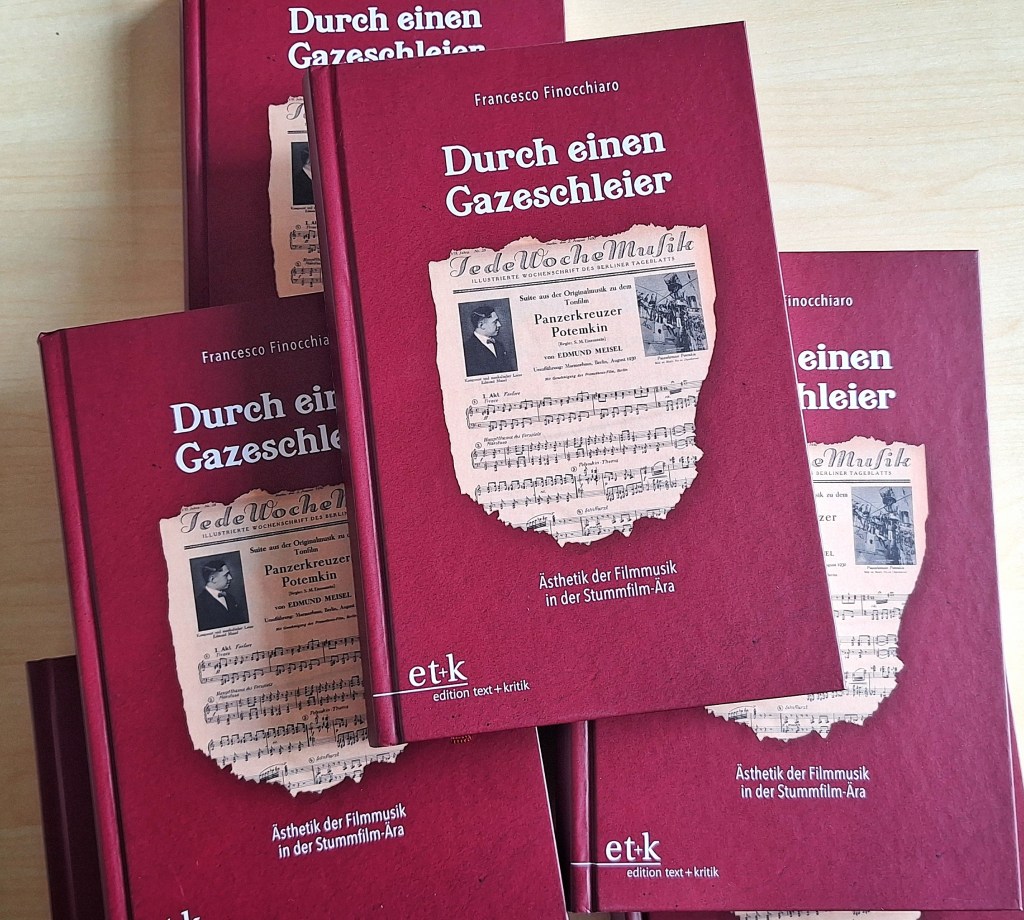
The publication of a monograph like this is usually announced with phrases such as “I am excited to share the news of the publication of…”, “I am delighted to announce that…”, and so on. Unfortunately, that is not the case here.
This volume, the most precious fruit of over a decade of research, discussed as a habilitation thesis at the University of Innsbruck, was written and completed during a challenging period of my professional career.
It followed a stalking process of unprecedented violence — a practice now known as ‘callout’, which is common on social media, but elsewhere too. One or more people band together to spread vague accusations against an unfortunate victim, with the aim of causing his professional and moral death — sometimes even literal… This involves fabricating lies and passing them off as credible rumours, or simply ‘linking’ distant, irrelevant events in such a way that a skilful montage creates an air of ambiguity. This ambiguity can be enough to destroy a decent person.
What are the motivations? Personal hatred, economic envy, and resentment. There is no need to prove anything — the fantasies in question are laughable nonsense, disconnected from reality, and destined to melt away under the rational scrutiny by a judicial authority.


You must be logged in to post a comment.